
Why Slowing Down Can Feel Unsafe
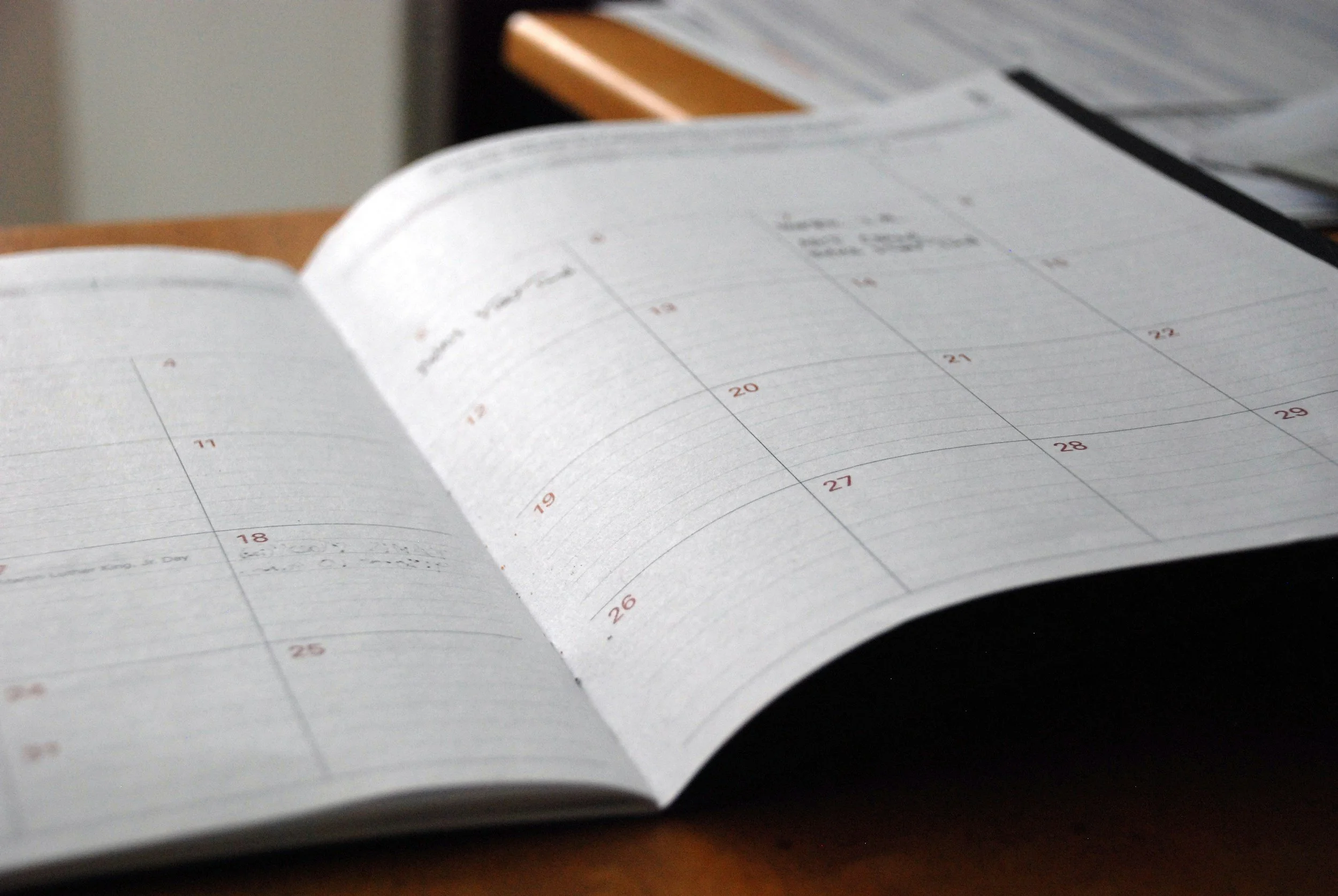
As you are reading this in the early months of the year, the busyness has likely finally died down and calendars have opened up. There are fewer family gatherings, less rushing around, and we can now find more time and space for ourselves.
After the chaos of December and early January, there's a lot to love about this season. There is finally time for rest, recovery, and reflection.
And yet, in what may seem like a confusing twist, periods of slowness and space can also be deeply uncomfortable, causing increases in anxiety, self-criticism, grief, loneliness, shame or irritability. The rest we've been longing for doesn't always feel restful.
If this resonates with you, you're not alone. And if we take a moment to sit with it, this experience actually makes a lot of sense.
Why Slowness Feels Uncomfortable: Four Reasons This Makes Sense
Being Busy Feels Safe
Busyness can be protective. It creates distance and distraction from thoughts or feelings we'd rather not touch. When things slow down, there's more room to notice what's actually going on inside, which can be uncomfortable or painful. This might mean noticing grief, anger, anxiety, or hurt that's been sitting in the background. Space and time removes the protective buffer.
We’ve Been Taught That Rest Must Be Earned
Our culture is obsessed with productivity. The message that rest must be earned, not freely given, is implicit in much of our daily experience. When self-worth gets tied to what you accomplish or how useful you are to others, unstructured time can feel threatening.
The Added Pressure of the New Year
The timing makes everything more complicated. With the new year comes pressure to set goals, transform yourself and become a better you. We're told January is for fresh starts, not for sitting with uncertainty or moving slowly. This can cause conflict between your genuine need for rest and integration after a demanding season and the cultural message that you should instead be optimizing and improving. This new year narrative can feel like even more evidence that you're falling behind or doing it wrong.
Perfectionism Steps in to Restore Order
In response to the pressure and discomfort that can arise during slower periods, many people also notice an increase in self-criticism and perfectionism. There is a reason for this. Perfectionism feels protective. It offers a sense of structure and control in the face of uncertainty. It promises that if we are just able to attain perfection the discomfort will disappear. In this way perfectionism attempts to shield us from the discomfort of slowing down.
Another Way to Respond
From this perspective, your urge to perfect or push your way through this season makes sense. It's attempting to do what busyness once did: create safety, prove your worth, and restore a sense of control. It's a way you've learned to adapt to a world that doesn't always have your best interests at heart.
But there's a different approach available to you, one that starts with curiosity rather than correction.
Instead of asking what's wrong with me, you might wonder:
What feels uncertain or exposed right now?
What does this slowness bring up for me?
What do I actually need in this moment?
When you create space for your experiences, even the uncomfortable ones, and meet yourself with curiosity rather than judgment, it becomes possible for something to begin to shift. Slowness can become a place of integration rather than threat. Over time, this opens up room for a different relationship with rest and space, one that feels less dangerous and more grounded and restorative.
Not every season is meant for pushing forward. Some seasons are for letting yourself be exactly where you are.
Written by: Emma Wondra