
Your Attachment to AI
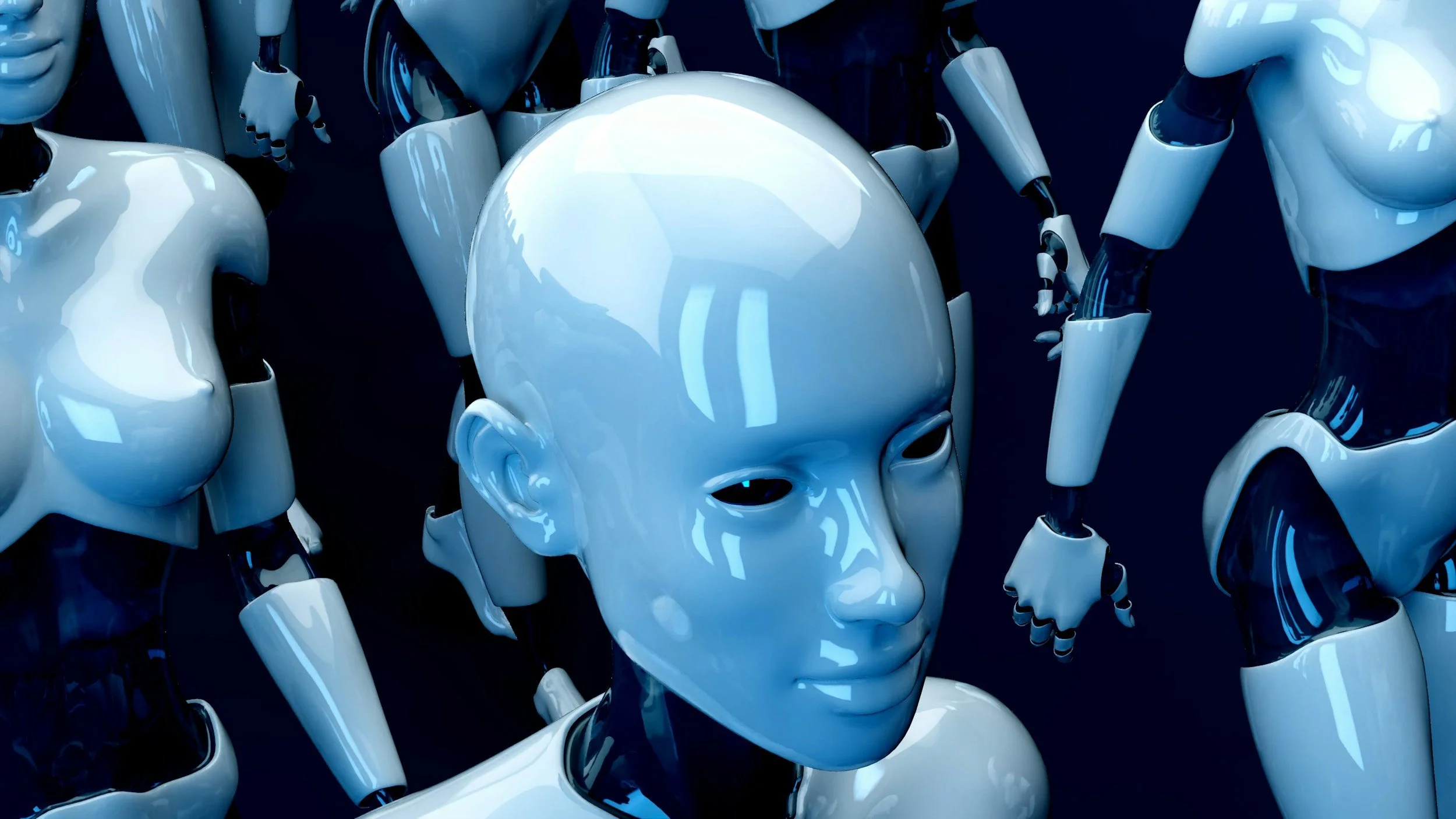
With AI as the latest major technological innovation since the smart phone, there are unique challenges and opportunities for insight it brings to humanity. Presently, a significant portion of AI prompts from users are related to therapeutic topics like relationships, work challenges, self-esteem, and energy/mood. You may have found yourself asking ChatGPT if you were in the wrong after an argument with a friend. Maybe you turn to Gemini to help prepare you for a salary negotiation at your job.
While there is a lot of shame surrounding AI use and widespread calls for its disbandment, try to become curious about your use and attachment to AI. Even if you do not use it at all, perhaps you are afraid of it and condemn it, you still have a relationship to AI even if just one of avoidance.
Questions to Reflect on:
1. What do I like to hear from my AI? Reassurance? Advice? Support?
2. When do I engage with my AI? What events make me want to use AI?
3. What kinds of AI am I using? (e.g., chatbots, image generation, pornography).
4. What am I missing from my human relationships that I am trying to get from AI?
It is essential to remember that AI is a computerized program designed to keep you engaged on its platform. To do so, it is engineered to produce responses with empathy, compassion, and lots of praise to keep you coming back for more. AI is not an inherently “bad” technology, but how we engage with it and use it matters. While it can feel nice to feel like there is someone finally on your side, that is seeing the world from your perspective, it cannot replace what you are desiring in your human relationships or in the outside world.
Frequent engagement with AI makes it more challenging to learn how to get your needs met within your human relationships as your expectations become skewed. Real human relationships involve disappointments, failures, and frustrations, all of which AI is programmed to not inflict this on you. Thus, the relationship to AI may feel personal, but it lacks the fullness of a true human connection. If you are seeking help in your relationships and desiring a space to discuss these issues, here are ways a therapist will support you where AI cannot:
1. The Human Connection: AI can feel human and you can form an attachment to it, but it does not compare to the intangibles which form the human connection. It is like tofu to steak.
2. Presence: AI will be there for you when you need it, but a therapist cares if you come to their office when they reserve a time in their day to see you specifically.
3. Accountability: AI will reinforce self-destructive behaviors to keep you typing longer, a therapist will note this pattern to you and help shift you out of it.
4. Safety: AI is not trained to handle risk situations where you may desire to hurt yourself or others. Therapists are trained to assess for risk and take necessary actions to protect involved parties.
If you are struggling with your use of AI and your personal relationships, it can be beneficial to seek the support of a therapist. Call today to schedule a free phone consultation with one of our providers.
Written by: Morgan Bensky