Recognizing and Managing Anxiety in Young and Professional Women
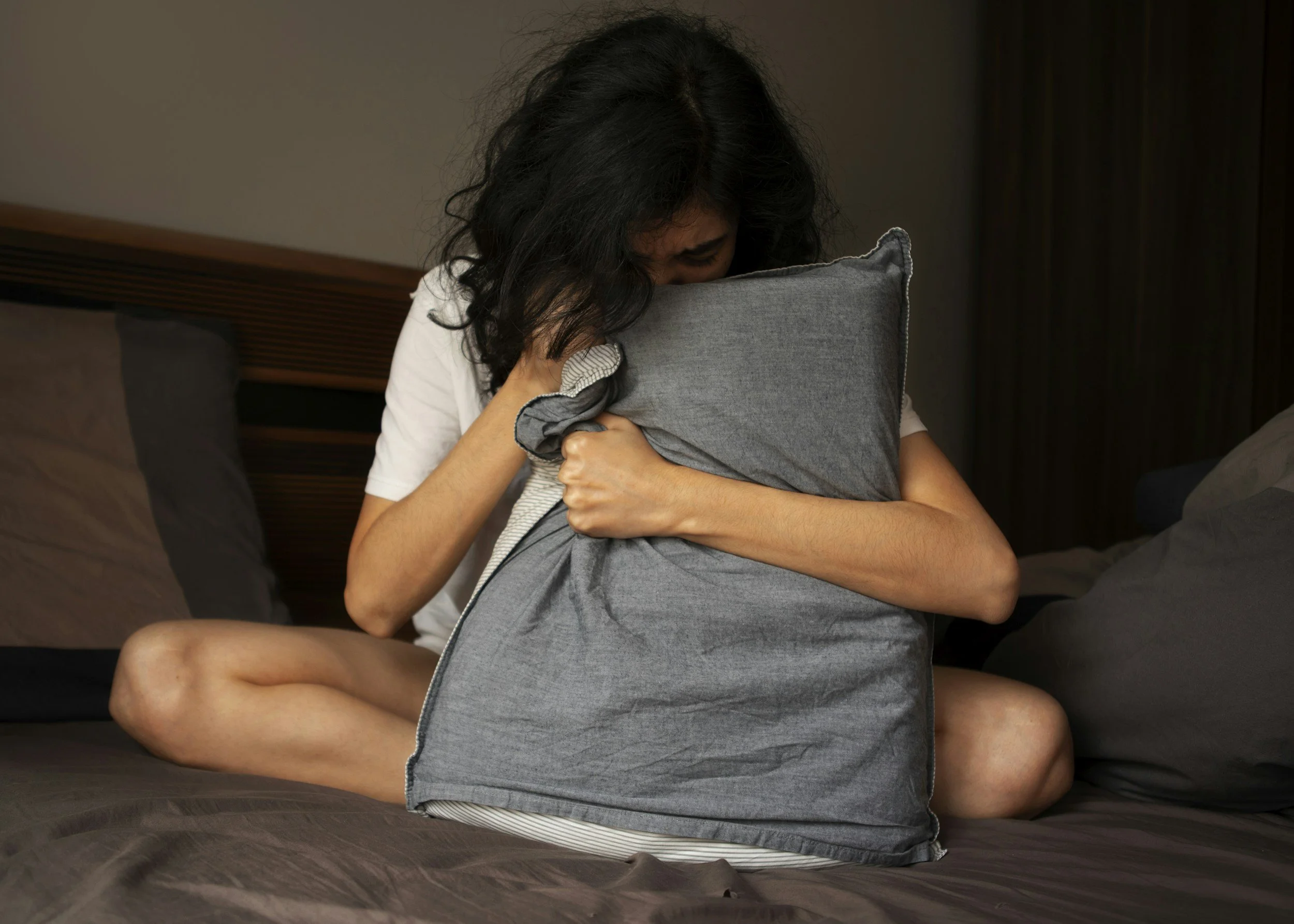
Anxiety disorders have become increasingly prevalent among young women and professional women, manifesting in various ways. I have observed that recognizing the symptoms early is crucial for effective management and treatment. In this blog, I will discuss common anxiety symptoms, practical tips for recognizing them, and actionable steps to treat anxiety both at home and professionally.
Common Symptoms of Anxiety
Understanding the symptoms of anxiety is the first step toward managing it effectively. Here are some common symptoms that young women and professional women might experience:
1. Physical Symptoms: These can include rapid heartbeat, sweating, shaking, fatigue, muscle tension, and gastrointestinal issues. Young women may notice these symptoms during stressful situations, particularly in academic or professional settings.
2. Emotional Symptoms: Feelings of worry, fear, restlessness, or irritability are common. Professional women may struggle with chronic worry about their performance, job security, or balancing work and personal life.
3. Cognitive Symptoms: Difficulty concentrating, indecisiveness, or racing thoughts can indicate anxiety. Many young women and professionals may find their minds racing during important tasks or scenarios.
4. Behavioral Symptoms: Avoidance of situations that trigger anxiety is common. This may manifest in young women avoiding social events or professional women turning down promotions or leadership roles due to fear.
Practical Tips for Recognizing Anxiety Symptoms
Recognizing anxiety symptoms in oneself or others is vital for early intervention. Here are some practical tips:
- Self-Monitoring: Encourage journaling about emotions and physical sensations. Keeping a daily log can help identify patterns and triggers.
- Check for Consistency: Symptoms that occur consistently in specific situations, such as during presentations or exams are critical indicators of anxiety.
- Seek Feedback: Encourage young women and professionals to discuss their feelings with trusted friends or mentors who may observe changes in behavior or mood.
- Educate About Symptoms: Understanding that anxiety is common and often manifests differently in each individual can help normalize feelings and promote dialogue about mental health.
Treatment Options for Anxiety
At-Home Strategies
1. Mindfulness and Meditation: Practicing mindfulness can help young women and professionals manage stress. Techniques such as deep breathing, yoga, and guided meditation can promote relaxation.
2. Regular Exercise: Physical activity is a powerful anxiety reducer. Encourage at least 30 minutes of moderate exercise most days, which can elevate mood and reduce stress.
3. Structured Routine: Establishing a routine can provide a sense of stability. Incorporating regular sleep, meals, and relaxation time can alleviate anxiety.
4. Limit Stimulants: Reducing caffeine and sugar intake can help manage anxiety levels. Encourage drinking herbal teas or water instead.
5. Connect with Others: Expanding social circles and nurturing relationships can provide emotional support. Hosting small gatherings or joining clubs can enhance feelings of connectedness.
Professional Treatment Options
1. Cognitive Behavioral Therapy (CBT): This evidence-based therapy helps individuals identify and challenge negative thought patterns contributing to anxiety. It’s particularly effective for young women and professionals.
2. Medication: For some, medication may be necessary and beneficial. Consult with a psychiatrist to explore options such as antidepressants or anti-anxiety medications.
3. Workplace Mental Health Resources: Encourage organizations to offer mental health days, employee assistance programs, or workshops focusing on stress management.
When to Seek Professional Help
If anxiety symptoms become overwhelming, persistent, and interfere with daily life, it is essential to seek help from a mental health professional. The following signs may indicate that professional intervention is necessary:
- Symptoms persist despite self-help strategies.
- There is a decrease in work performance or academic success.
- Anxiety leads to withdrawal from social or professional situations.
- The individual experiences feelings of hopelessness or despair.
Anxiety is a common experience, especially among young women and professionals. By recognizing the symptoms and implementing practical strategies, individuals can effectively manage anxiety. Remember, seeking help is a sign of strength, and there are resources available to support you in your journey toward mental wellness.
If you are struggling with anxiety or looking to grow personally and professionally, do not hesitate to reach out for support. Connecting with a mental health professional can be a valuable step toward understanding and managing anxiety effectively.
For support, please contact us at 872-529-1982 or visit our websites ChicagoPsych.org (http://www.chicagopsych.org) and HealthWellnessCenter.org (http://www.healthwellnesscenter.org). We are here to provide guidance and support on your mental health journey.
Written by: Brikena Gjylameti