

Sorry for the late reply: Why is texting back so hard??
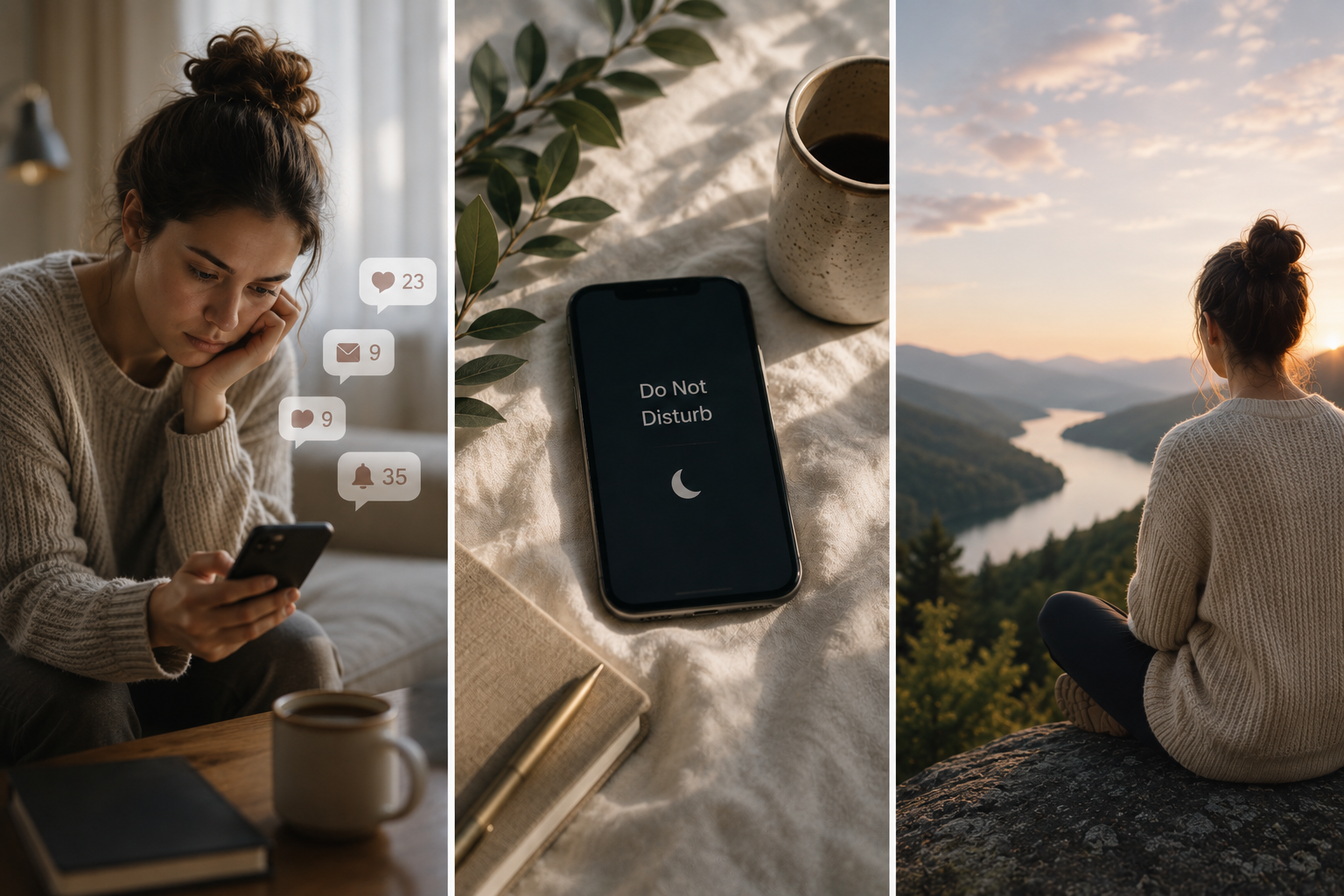
You see the notification. Maybe you read the message, or maybe you let it disappear. You may even respond in your head. And then you put the phone down. Hours pass. Maybe days. Weeks. The message sits there, unread or unanswered, and inside of you a gnawing sense of guilt continues to grow:
Why didn’t you just answer it right away?
If this pattern sounds familiar, you are not alone.
Many of my clients bring their difficulty responding to text messages and place it on the table in front of me, labeling it as a problem that must be solved. They think something is wrong with them, or that it is something they need to do better. Many believe it is a problem with discipline, or proof of laziness.
However, I rarely find that to be the whole story. The struggle to respond is almost never about caring too little, or not doing enough. Instead, it often signals that there is a part of you that is trying to tell you something.
We have never been so connected to others. We can send a text to our friend, FaceTime our mom, and check our work email all at the same time on a device we keep in our pockets. This kind of access can feel so good. It helps us build and support relationships across distance and within our busy lives, creating a sort of safety blanket that we can take with us as we move throughout the world.
However, there is another side to this unlimited sense of connection. Because we are always able to access others, the reciprocal becomes that others are also always able to access us. This creates a sneaky sense of obligation within our digital safety blanket that feels incredibly real and important. Every notification then becomes a demand for our attention, reminding us that we must remain vigilant and ready to process new information and respond at a moment’s notice. When this sense of urgency and availability is added up across dozens of relationships and obligations, this constant connection can become exhausting.
Therefore, what may look like avoidance can actually be the way our body and mind protect us from burning out. It can be an act of self-preservation that emerges in response to a world in which too many people have access to us. A world that expects a response RIGHT NOW!
While our access to others can be comforting and helpful at times, the underlying urgency can also carry an implied message that we should prioritize others’ needs over our own. Because we experience others who may respond at all hours of the day, or text us from their work events or their kid’s recitals, it can be easy to believe that we must do the same. This belief then reinforces the idea that we are bad or wrong for not being accessible.
The problem is that this goes against a very natural, human need for rest and withdrawal. Struggling to respond to texts may actually reflect the way that our capacity for connection tends to ebb and flow. Some days we have plenty to give. Other days, we need to be alone in the woods where no one can contact us.
Whatever the reason, the struggle, and the story it tells, deserves curiosity, not shame.
If you find yourself struggling to respond to texts and get stuck in a cycle of self-blame, I invite you to pause. Avoidance has a bad reputation, but it is often trying to tell us something important. So, before agreeing with the voice in your head that is telling you that you are the worst because you haven't responded to your friend about that thing yet, I wonder what would happen if you took a step back and gave yourself a little grace.
After all, we used to write letters, and now we have a whole world in our pockets. It makes sense that it can feel like too much.